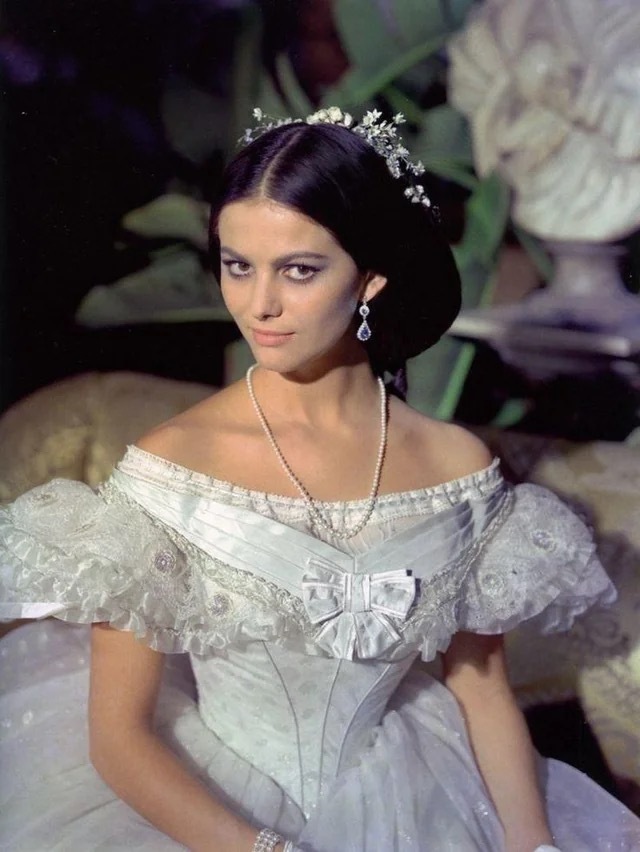
The history of cinema is often written by those who followed the rules, but the legends are made by those who broke them. Claudia Cardinale’s journey to stardom began not in the studios of Rome or Los Angeles, but in Tunisia, where a simple beauty contest in 1957 changed everything. Winning the title of “Most Beautiful Italian Girl in Tunisia” was the spark that ignited a global flame, opening doors to an extraordinary acting career that would eventually captivate audiences around the world.
Yet, what makes Cardinale a “sovereign” of the screen isn’t just her undeniable magnetic beauty; it was her ironclad sense of self. She didn’t just act; she shaped the golden age of cinema through grace and integrity. In a world that often chases fleeting perfection, her story remains a vital celebration of independence and inner strength.
The Golden Decade: Dominating the 1960s Landscape
The 1960s did not just belong to the burgeoning counter-culture movement; in the world of film, the decade belonged to Claudia. Her rise was nothing short of prolific, as she starred in more than thirty films during those ten years alone. This was not a matter of quantity over quality, but a showcase of a performer who was in high demand by the world’s most visionary directors.
During this era, she delivered a masterpiece trio of performances in celebrated classics: 8½ (1963), The Leopard(1963), and The Professionals (1966). However, it was her magnetic performance as the ultimate heroine in Sergio Leone’s Once Upon a Time in the West (1968) that cemented her status as a permanent legend of international cinema.
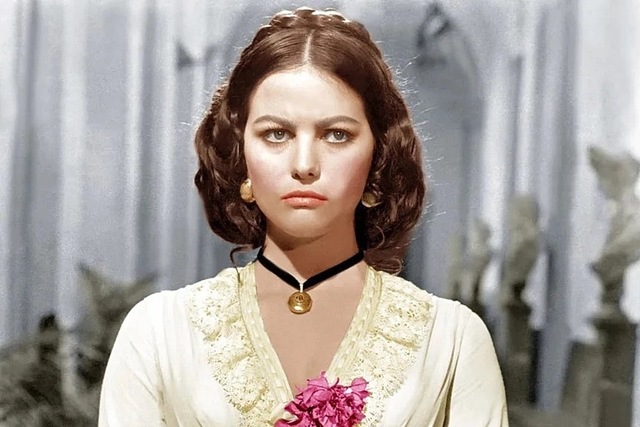
The emotional heartbeat of a masterpiece: Experience the hauntingly beautiful ‘Your Love,’ where the legendary compositions of Ennio Morricone meet the iconic visuals of Once Upon a Time in the West
The Great Refusal: Artistic Independence over Studio Chains
While many of her contemporaries were locked into restrictive, long-term studio contracts that dictated every aspect of their lives, Cardinale chose a different path. Hollywood desperately wanted to secure her talent exclusively, but she refused to be confined by the “golden handcuffs” of the traditional studio system. She chose freedom, accepting roles individually and preserving her artistic independence at a time when such a move was considered a massive professional risk.
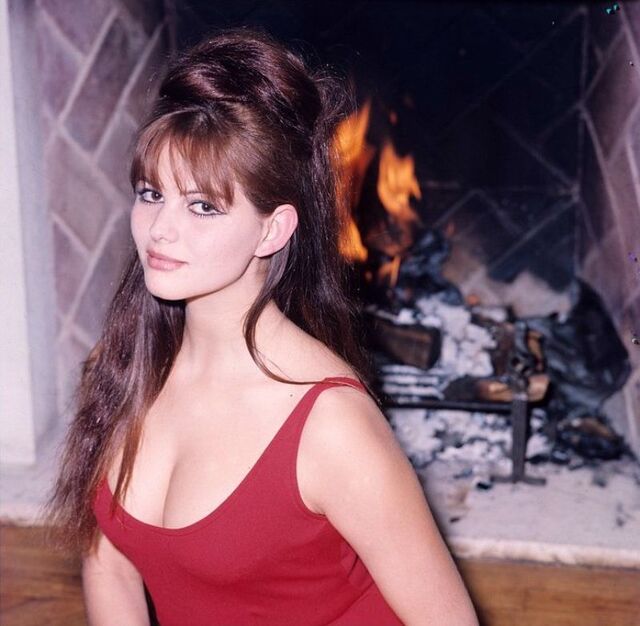
This bold refusal allowed her to work on her own terms. Because she was not a “property” of any single studio, she was free to collaborate with the greatest stars of her era, including John Wayne, Burt Lancaster, Lee Marvin, and Rock Hudson. By maintaining control over her career, she ensured that her voice was never silenced by the corporate machinery of Tinseltown.
The Leone Method: Scoring the Soul Before the Scene
One of the most unique insights into Cardinale’s career involves her work with the visionary director Sergio Leone. She recalled a rare creative process that differed from almost any other director of the time: Leone would compose the music for his films before a single scene was ever shot.
This innovative approach meant that Cardinale wasn’t just acting to a script; she was acting to a soul. This sensory-first method turned her performances into carefully orchestrated masterpieces, where the movement of the actor and the rhythm of the music became one.
The Cannes Chameleon: Adaptability as a Fine Art
Cardinale’s appearances at the Cannes Film Festival are the stuff of cinematic legend. In 1961, she dazzled the French coast with Girl With a Suitcase and The Lovemakers. However, it was 1963 that truly highlighted her dedication to the craft. She returned to Cannes with both The Leopard and 8½, films she had remarkably worked on simultaneously.
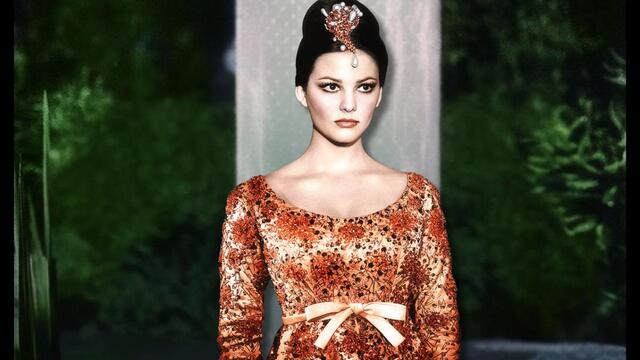
To satisfy the conflicting visions of two different acclaimed directors, she had to switch her hair color every two weeks. This logistical feat became a symbol of her professional chameleon-like nature. It showed an actress who was not concerned with her own vanity, but with her dedication to the director’s vision and the art of storytelling.
The Rebellion of Authenticity: Defying the Glamour Pressure
Perhaps the most rebellious act of Cardinale’s career was her refusal to succumb to the traditional pressures of Hollywood glamour. In an era where “sex sells,” she steadfastly refused to appear in nude scenes. Furthermore, as she aged, she rejected the industry’s obsession with cosmetic surgery, choosing instead to embrace the natural passage of time.
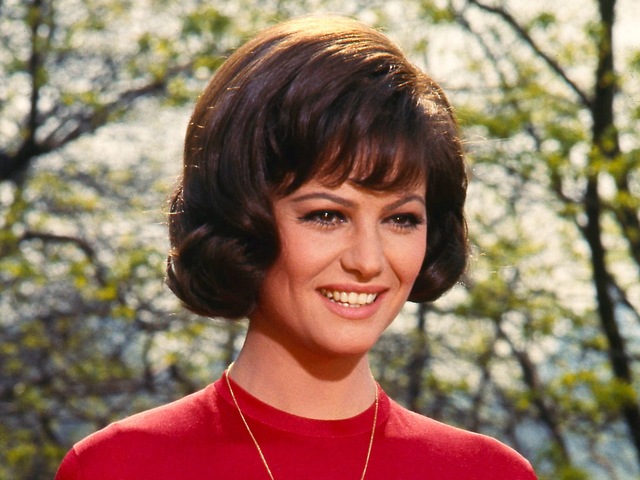
Guided by her mother’s wisdom, she viewed her years not as a loss of beauty, but as a badge of experience. “Time cannot be halted,” she famously noted, choosing to prioritize authenticity over the chase for fleeting perfection. By wearing her age with pride, she set an example for generations of women in an industry that is often unkind to those who grow older.
This visual tribute captures why she was not only celebrated as a global icon of grace but also as a performer whose natural elegance required no artifice to command the camera’s gaze
The Third Act: Why True Artistry Ignores the Calendar
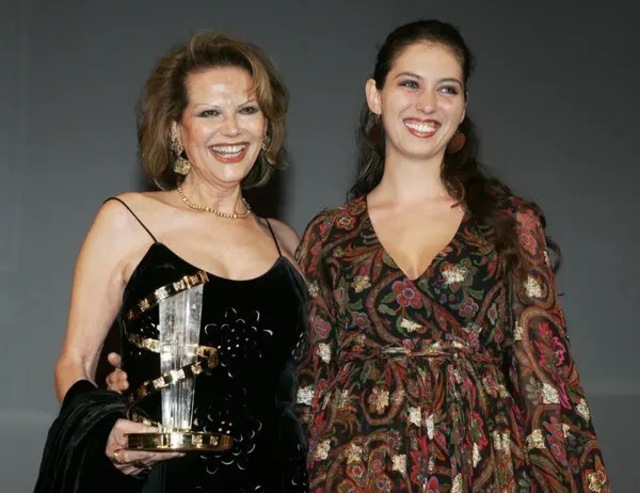
Even well into her seventies, Cardinale’s passion for her craft never wavered. She continued to take on challenging roles in works like And Now… Ladies and Gentlemen and The Island of Forgiveness. Her ongoing career serves as living proof that true artistry transcends age.
She remains a vital force, inspiring modern actors and audiences to embrace their own personal convictions. Her legacy is not just one of beautiful images on a screen, but of a woman who stood her ground in a world of artifice. Her grace, professional integrity, and unshakeable inner strength remain timeless.
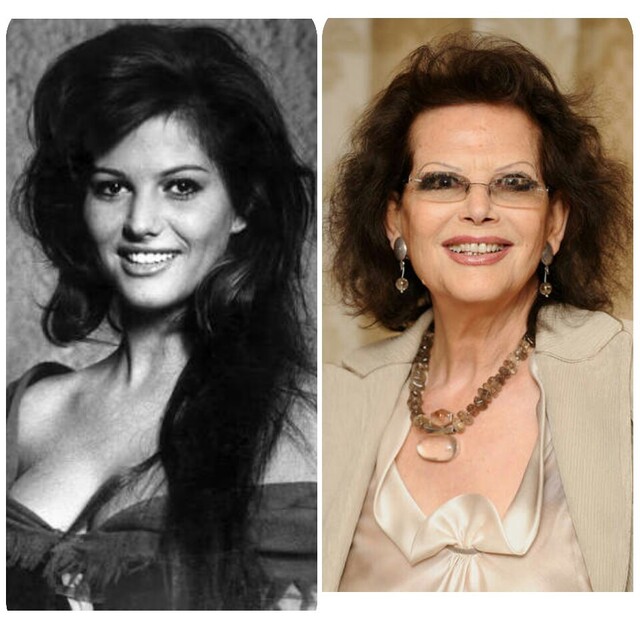
A final, touching tribute to a golden partnership: This rare look at Alain Delon’s last photo with Claudia Cardinale captures the enduring bond between two giants of the silver screen.
Final Thoughts: The Timeless Influence of a Cinematic Sovereign
Claudia Cardinale’s story is more than a biography; it is a celebration of independence and talent. She didn’t just act in films; she shaped the very fabric of the golden age of cinema. Her life stands as a testament to the power of staying true to oneself, even when the rest of the world is asking you to change.
In 2026, her influence continues to shine, reminding us that natural beauty and personal conviction are far more powerful than any studio contract or special effect. She remains the sovereign of the screen, a legend whose light refuses to dim.