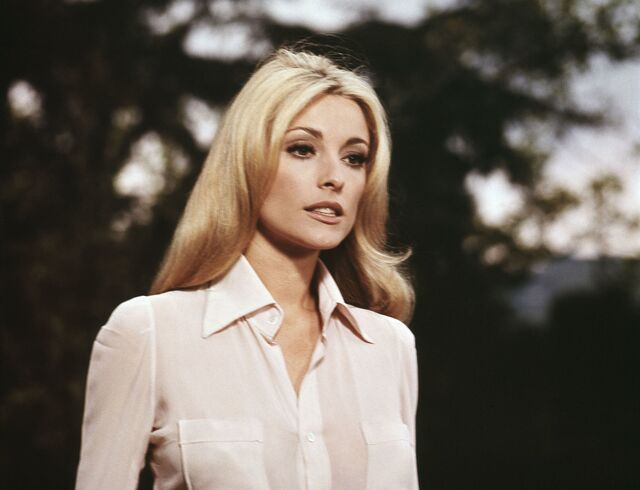
Some lives leave behind a feeling of unfinished sentences. Sharon Tate’s story is one of them. In the span of just a few years, she rose from relative anonymity to become one of the most recognizable faces of 1960s cinema. Her beauty was undeniable, but it was her warmth, optimism, and quiet ambition that truly set her apart. Though her life was tragically brief, her presence continues to echo through film history, fashion, and popular culture. To understand why Sharon Tate still matters today, we must look beyond the tragedy and return to the life she was building.
A Radiant Beginning Far from Hollywood
Sharon Tate was born in Dallas, Texas, in 1943, but her childhood was anything but rooted in one place. As the daughter of a military officer, she spent her early years moving frequently, living in different cities and even abroad. This constant change shaped her adaptability and openness to new environments, qualities that would later serve her well in the entertainment world.
From an early age, Sharon stood out. Her striking features and natural elegance drew attention wherever she went, yet those closest to her often remarked on her shyness and gentleness. She was not driven by ego or competition. Instead, she carried a quiet curiosity about the world and a desire to find where she belonged. While Hollywood was still far away, the seeds of ambition had already been planted.
This video revisits the heartbreaking turning point that changed everything—watch to understand how a rising star’s life was tragically cut short, and why her story still resonates decades later.
From Modeling Success to the Big Screen
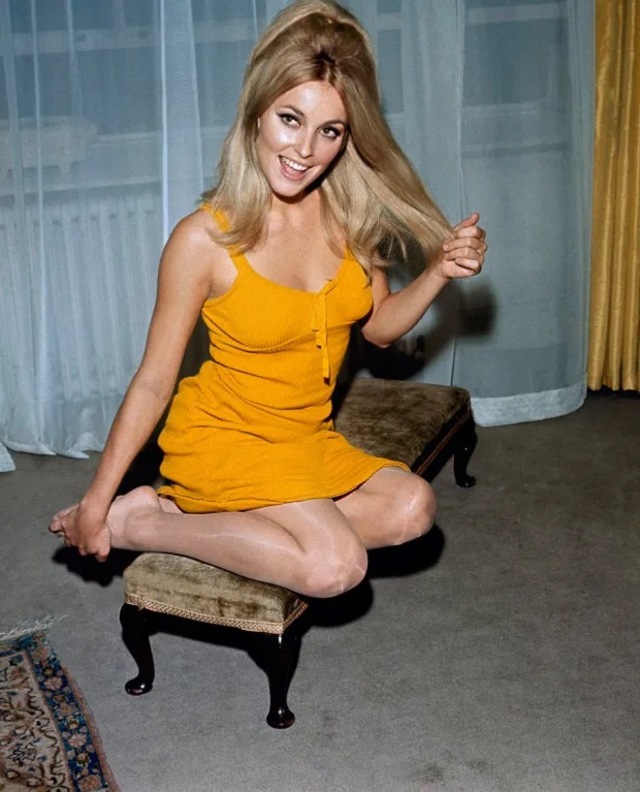
As a teenager, Sharon began modeling, a path that offered her first taste of public recognition. Beauty pageants and photo shoots opened doors that might otherwise have remained closed, introducing her to industry professionals who recognized her potential. Unlike many aspiring actresses, she did not arrive in Hollywood unprepared. Modeling taught her discipline, poise, and how to navigate attention without losing herself.
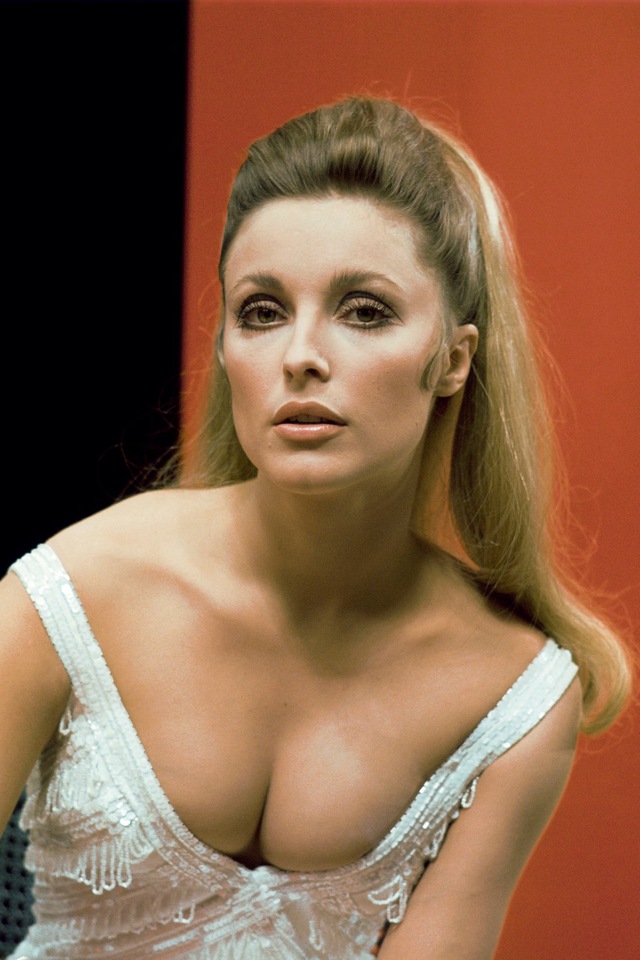
Her earliest acting roles were modest. She appeared in television series and small film parts, often uncredited. These experiences, though limited in visibility, allowed her to learn the craft from the ground up. She observed seasoned actors, studied direction, and gradually gained confidence in front of the camera.
What distinguished Sharon during this period was her patience. She understood that growth took time, and she was willing to wait for the right opportunity.
Xem bài viết này trên Instagram
Breakthrough, Fame, and a Rising Star
That opportunity arrived in the late 1960s, when Sharon landed a role that would define her public image. Her performance in Valley of the Dolls introduced her to a global audience almost overnight. The film itself polarized critics, but Sharon’s presence was impossible to ignore. She brought vulnerability and sincerity to a character trapped between image and identity—a struggle that mirrored her own experience in Hollywood.
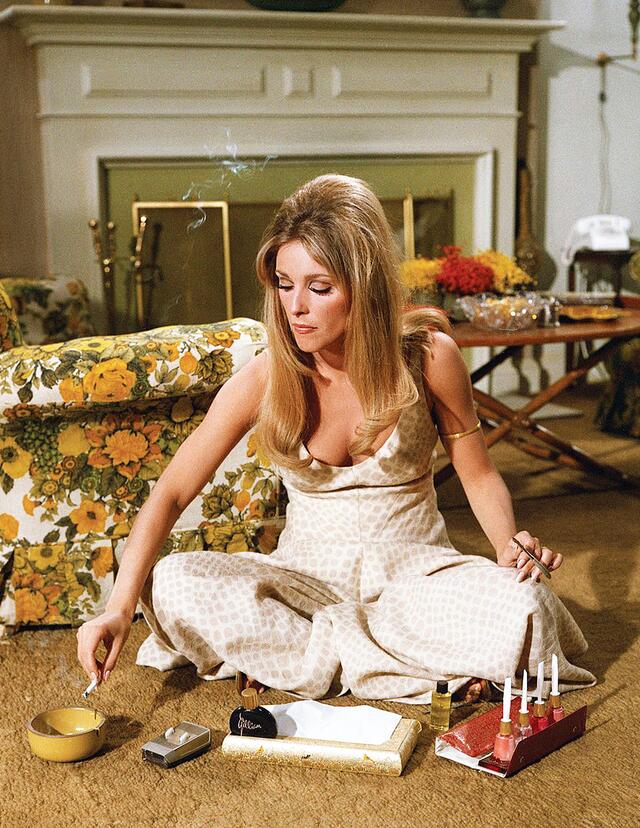
The role earned her widespread attention and industry recognition, including a major award nomination. More importantly, it positioned her as a symbol of a new kind of stardom: youthful, luminous, and emotionally accessible. She was not portrayed as distant or untouchable. Instead, audiences felt they could know her.
At a time when cinema was evolving, Sharon Tate represented the promise of what was to come.
Xem bài viết này trên Instagram
Love, Marriage, and Life in the Spotlight
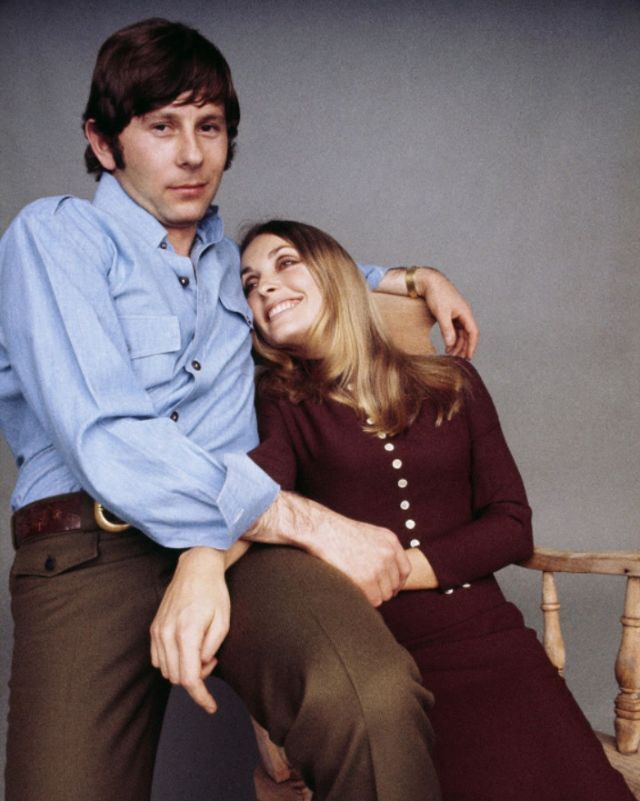
As her career gained momentum, Sharon’s personal life also drew intense public interest. During the filming of a European project, she met director Roman Polanski. Their relationship developed quickly, fueled by creativity, passion, and shared ambition. To the public, they became one of the era’s most talked-about couples.
Their marriage in 1968 was widely covered, with photographs capturing Sharon’s ethereal presence and effortless style. She seemed to embody the spirit of the late 1960s—romantic, hopeful, and modern. Yet behind the glamour, she remained grounded. Friends often noted that fame did not harden her or make her distant.
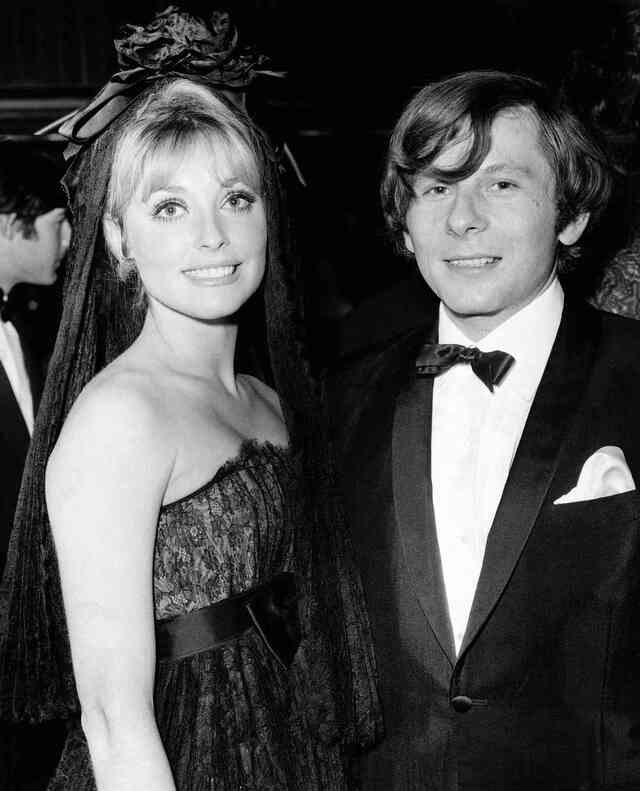
Despite the pressures of public scrutiny, she approached marriage and love with sincerity, viewing them as foundations rather than distractions from her career.
Grace Beyond the Camera
Those who worked with Sharon Tate consistently described her as kind, generous, and deeply empathetic. She was known for putting others at ease, listening more than she spoke, and treating colleagues with respect regardless of status. This reputation stood in contrast to the stereotypes often associated with rising stars.
Professionally, she was eager to grow. Sharon took acting seriously, studying scripts carefully and seeking roles that allowed her to expand beyond surface-level appeal. She wanted to be recognized not only for her appearance, but for her ability to convey emotion and complexity.
Off-screen, she valued friendship, family, and quiet moments. She enjoyed simple pleasures and maintained a sense of humility that endeared her to those around her. These qualities contributed to the sense that her future would be rich, both personally and professionally.
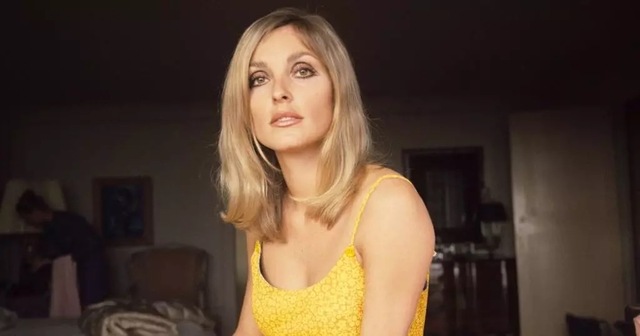
These final moments reveal the quiet humanity behind the headlines—watch this documentary to better understand Sharon Tate’s last days and the life she was still dreaming of when everything changed.
The Night That Changed Everything
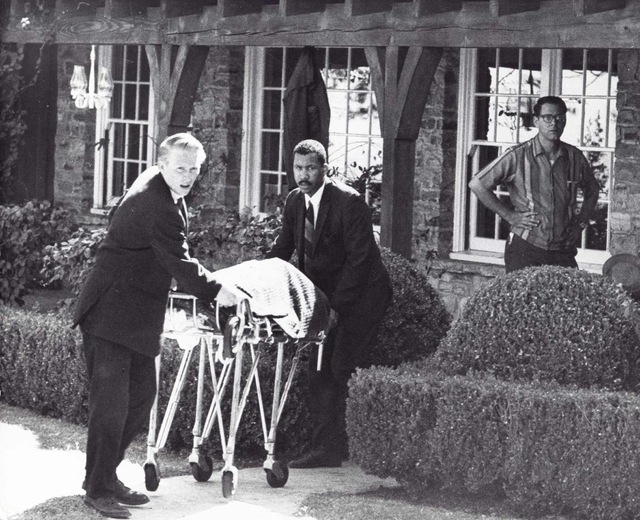
In August 1969, Sharon Tate’s life was violently taken during a horrific crime that shocked the world. She was eight months pregnant at the time, filled with anticipation for motherhood and the next chapter of her life. The brutality of the event sent shockwaves through Hollywood and beyond, marking a turning point in cultural consciousness.
The tragedy was not only the loss of a talented actress, but the sudden end of a life defined by promise. It shattered the illusion of safety surrounding celebrity and symbolized the darker undercurrents of a decade often remembered for idealism and change.
For many, it became impossible to separate Sharon Tate’s name from the circumstances of her death. Yet doing so risks overshadowing the life she lived and the future she was building.
In this rare and emotional interview, Roman Polanski reflects on the loss that forever altered his life—his words offer a deeply personal perspective on Sharon Tate beyond the tragedy.
An Icon Remembered Across Generations
More than half a century later, Sharon Tate remains a figure of fascination and admiration. Her films continue to be revisited, her photographs celebrated, and her style referenced by new generations. But beyond aesthetics, her story resonates because it speaks to vulnerability, hope, and unrealized potential.
She is remembered not merely as a victim, but as a symbol of what was lost. Her legacy endures because people sense that there was more she had to offer—more performances, more growth, more life.
In recent years, there has been a renewed effort to reclaim her narrative, focusing on her kindness, ambition, and humanity rather than solely on her tragic end. This shift reflects a broader understanding that lives should be honored in full, not defined by their final moments.